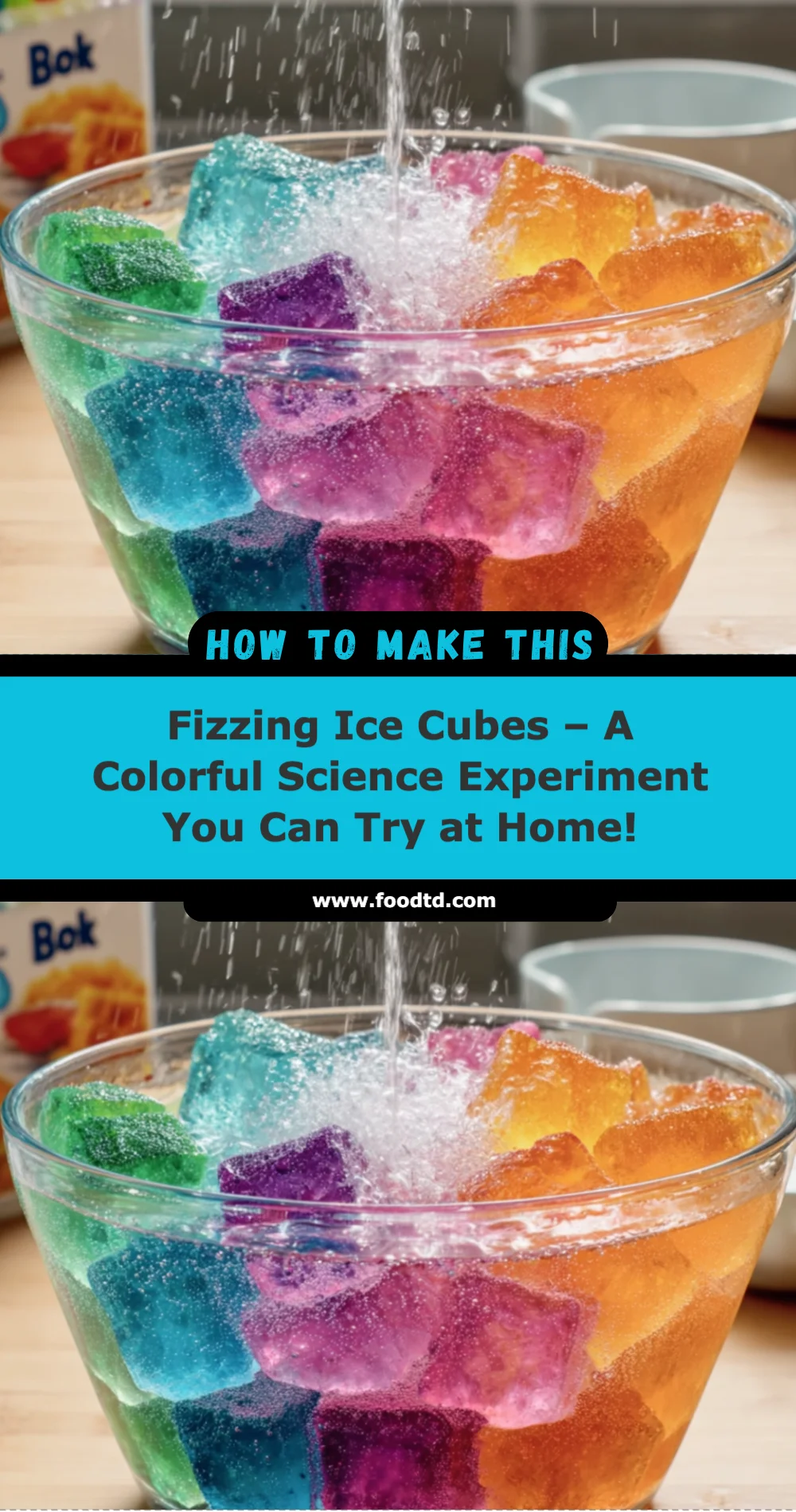
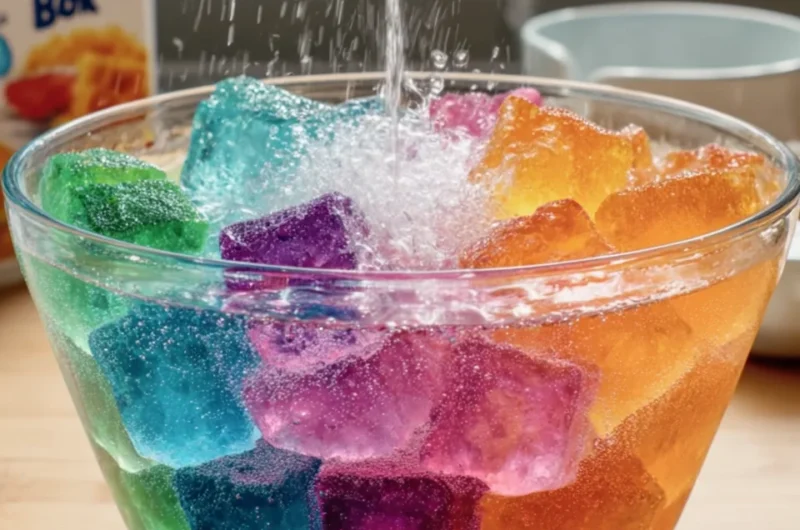
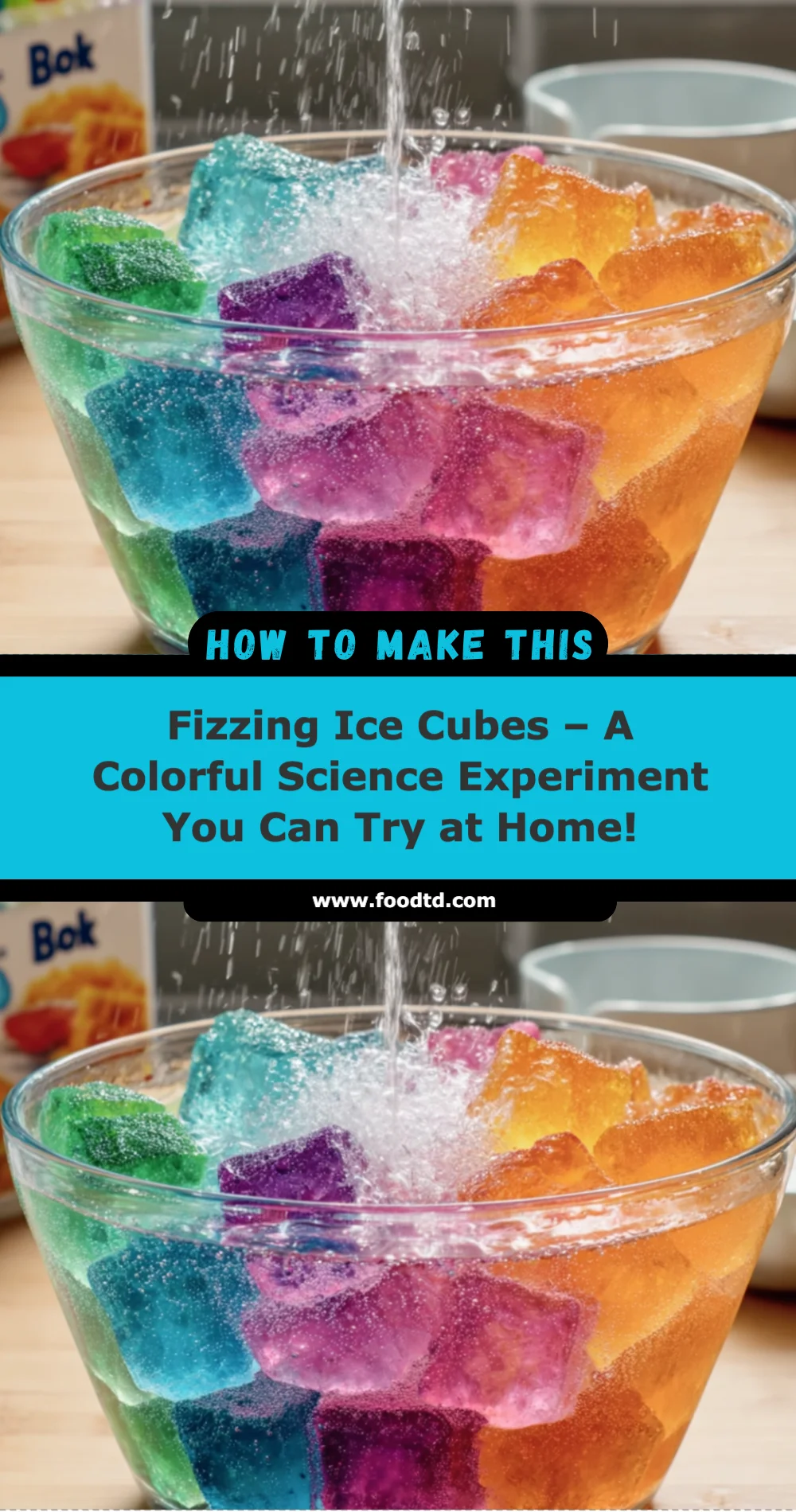
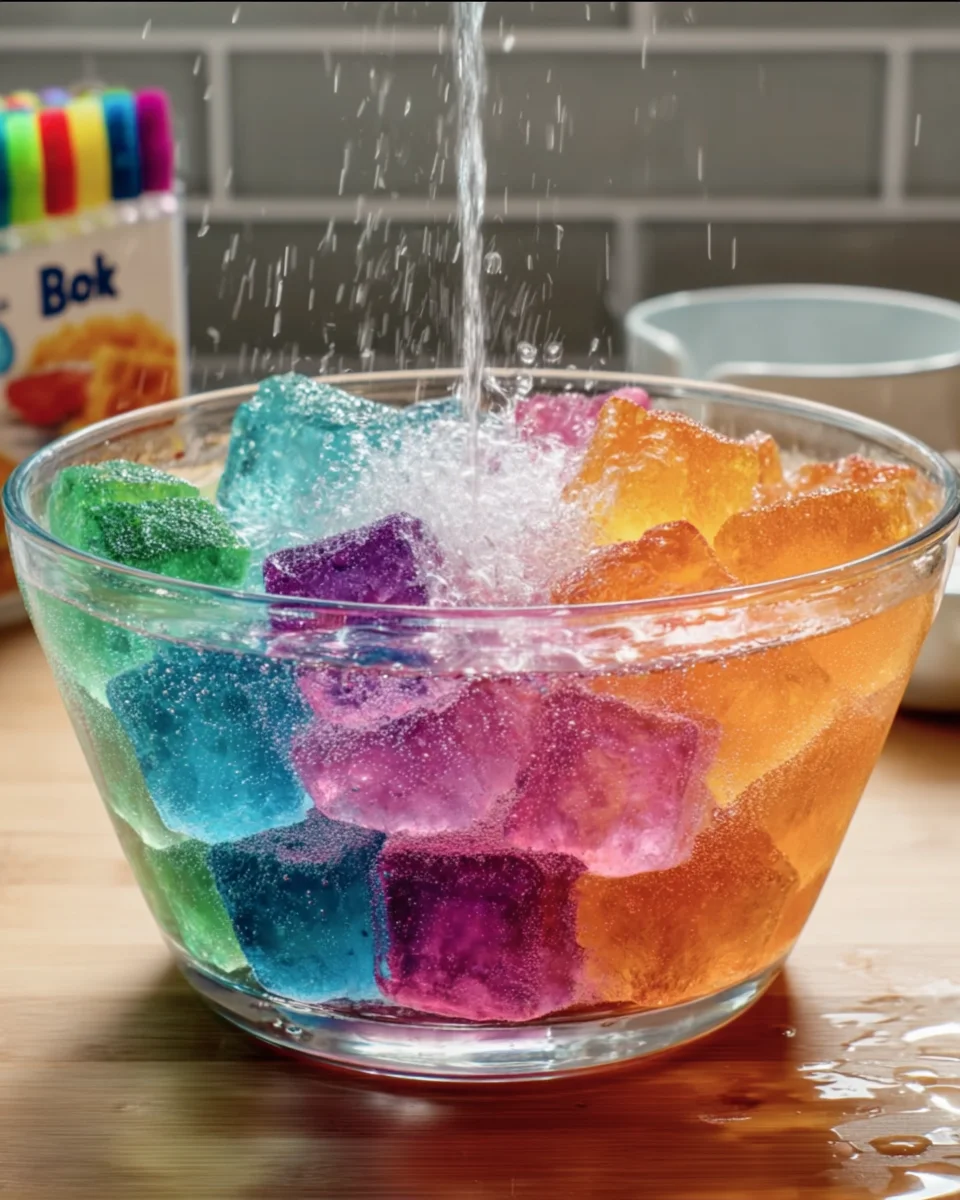
Fizzing ice cubes are an exciting science experiment that combines creativity and learning. This colorful activity engages children and adults alike, making it a perfect educational tool for exploring chemical reactions in a fun way.
| Prep Time | Cook Time | Total Time | Servings | Difficulty | Cuisine |
|---|---|---|---|---|---|
| 15 minutes | 4 hours (freezing time) | 4 hours 15 minutes | Approximately 12 ice cubes | Easy | American |
Why This Recipe Works
This fizzing ice cube experiment is a visual and interactive way to learn about chemical reactions. The reaction between baking soda and vinegar produces carbon dioxide gas, creating a fizzy effect. From my experience, children are fascinated by the vibrant colors and the sudden eruption of bubbles. It’s a wonderful way to blend art with science.
Engaging in hands-on activities like this fosters curiosity and encourages children to ask questions about the science behind the reactions. The colorful aspect also makes it appealing, allowing participants to express their creativity while learning. Overall, this experiment is both educational and entertaining, making it a great choice for classrooms or home activities.
Ingredients
| Ingredient | Quantity | Notes |
|---|---|---|
| Baking soda | 1 cup | Can substitute with bicarbonate of soda if unavailable. |
| Water | 1 cup | Use filtered water for better results. |
| Food coloring | Various colors | Gel or liquid food coloring both work well. |
| Vinegar | 1 cup | White vinegar is commonly used, but apple cider vinegar can be a fun alternative. |
| Ice cube tray | 1 | Silicone trays make removal easier. |
| Small bowls or cups | Several | For mixing colored baking soda solution. |
| Dropper or spoon | 1 | To drizzle vinegar over the ice cubes. |
Step-by-Step Instructions
Prepare the Baking Soda Mixture
Combine 1 cup of baking soda with 1 cup of water in a mixing bowl. Stir until the baking soda is completely dissolved.Add Food Coloring
Divide the baking soda mixture into several small bowls or cups. Add a few drops of different food coloring to each bowl, mixing well to create colorful variations.Fill the Ice Cube Tray
Carefully pour the colored baking soda mixtures into the ice cube tray, filling each compartment about three-quarters full.Freeze
Place the ice cube tray in the freezer and let it sit for several hours or until the cubes are completely frozen.Prepare for the Experiment
Once the ice cubes are frozen, remove them from the tray and place them in a shallow dish or tray.Create Fizzing Reaction
Using a dropper or spoon, drizzle vinegar over the ice cubes. Watch as the vinegar reacts with the baking soda, creating a fizzy eruption of colorful bubbles!Experiment and Enjoy
Try different amounts of vinegar or additional food coloring to see how it affects the fizzing reaction. Enjoy the colorful display and the science behind the reaction!
Chef Tips for Perfect Results
- Ensure the baking soda is fully dissolved for optimal fizzing.
- Use gel food coloring for more vibrant hues compared to liquid coloring.
- Experiment with different shapes of ice cube trays for added fun.
- Consider adding glitter to the baking soda mixture for a sparkling effect.
- Perform the experiment outdoors to enjoy the mess without worry.
Common Mistakes to Avoid
- Not mixing baking soda properly can lead to weak fizzing. Always stir until completely dissolved.
- Overfilling the ice cube tray may result in spills while freezing. Fill only three-quarters full.
- Using old baking soda or vinegar can diminish the reaction. Always check expiration dates.
- Not using enough vinegar can cause minimal fizzing. Drizzle more vinegar for a better reaction.
- Skipping the freezing step will prevent the colorful ice cubes from forming. Be patient and allow sufficient freeze time.
Variations and Substitutions
| Ingredient | Substitution | Impact on Flavor |
|---|---|---|
| Baking soda | Bicarbonate of soda | No significant impact, same chemical reaction. |
| Vinegar | Apple cider vinegar | May add a slight fruity scent but same fizzing effect. |
| Food coloring | Natural food dyes | Color intensity may vary, but still visually appealing. |
Serving Suggestions and Pairings
Fizzing ice cubes are perfect for birthday parties, science fairs, or family gatherings. They can also be paired with themed drinks for a festive touch. Consider serving these alongside a refreshing Hocus Pocus punch for a complete experience. Additionally, they serve as a great educational tool for home-schooling or summer camps, making science both fun and colorful.
Storage and Reheating
| Method | Duration | Instructions |
|---|---|---|
| Freezing | Up to 2 weeks | Store in an airtight container to prevent freezer burn. |
| Room Temperature | 1 hour | Keep in a cool place before the experiment for optimal fizzing. |
Nutritional Information
| Nutrient | Amount per Serving |
|---|---|
| Calories | 5 |
| Total Fat | 0g |
| Sodium | 0mg |
| Total Carbohydrates | 1g |
| Sugars | 0g |
| Protein | 0g |
Approximate values.
Frequently Asked Questions
Can I substitute baking soda with another ingredient?
Baking soda can be replaced with bicarbonate of soda as they are essentially the same. This will not affect the reaction.
How can I troubleshoot weak fizzing?
Weak fizzing often occurs due to insufficient vinegar. Ensure you are using enough vinegar and that it is fresh for a stronger reaction.
Can I make these ice cubes ahead of time?
Yes, you can prepare the ice cubes days in advance. Store them in an airtight container in the freezer until you are ready to use them.
What can I do if my ice cubes don’t come out of the tray?
If the ice cubes are stuck, run warm water over the back of the tray for a few seconds to help release them easily.
Are these ice cubes safe for consumption?
This recipe is intended for a fun science experiment and is not meant for consumption. Keep the ingredients for educational purposes only.
Fizzing ice cubes offer a vibrant and exciting way to engage with science. This colorful experiment not only demonstrates chemical reactions but also allows for creativity and fun. For more delicious recipes, check out homemade frozen butterbeer or Oreo eyeball truffles for treats you will love!
Fizzing Ice Cubes
Ingredients
Equipment
Method
- Step 1: Combine 1 cup of baking soda with 1 cup of water in a mixing bowl. Stir until the baking soda is completely dissolved.
- Step 2: Divide the baking soda mixture into several small bowls or cups. Add a few drops of different food coloring to each bowl, mixing well to create colorful variations.
- Step 3: Carefully pour the colored baking soda mixtures into the ice cube tray, filling each compartment about three-quarters full.
- Step 4: Place the ice cube tray in the freezer and let it sit for several hours or until the cubes are completely frozen.
- Step 5: Once the ice cubes are frozen, remove them from the tray and place them in a shallow dish or tray.
- Step 6: Using a dropper or spoon, drizzle vinegar over the ice cubes. Watch as the vinegar reacts with the baking soda, creating a fizzy eruption of colorful bubbles!
- Step 7: Try different amounts of vinegar or additional food coloring to see how it affects the fizzing reaction. Enjoy the colorful display and the science behind the reaction!
Notes