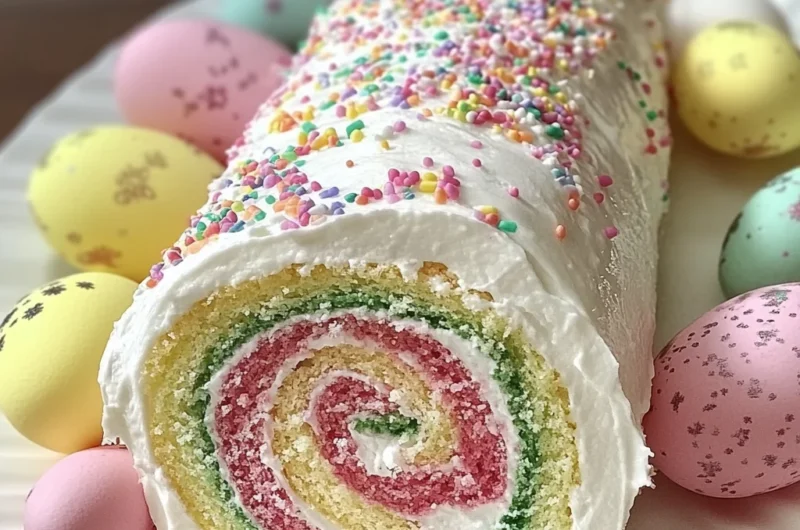
There’s something so special about Easter gatherings—the laughter, the pastel decorations, and of course, the sweet treats that bring everyone together. If you’ve ever wished for a dessert that captures the essence of spring with its lightness, color, and creamy goodness, this Easter Cake Roll is exactly what you need. It’s a nostalgic recipe that reminds me of those joyful family moments when grandma would pull out a stunning cake roll, bursting with soft pastel hues and a luscious cream cheese filling. Easy to make yet impressive enough to wow your guests, it’s truly a memorable centerpiece for your Easter celebration.
What I love most about this Easter Cake Roll is how quick and simple it is to prepare, even if you’re not a seasoned baker. Plus, it’s a beautiful gift to bring to a potluck or to share with neighbors. Let me walk you through this step-by-step, so you can bring a touch of springtime magic to your kitchen this Easter!
Why You’ll Love Easter Cake Roll
- Fast: From start to finish, this cake roll comes together in just over an hour, including cooling time.
- Easy: No complicated techniques here—just simple folding and mixing, perfect for bakers of all levels.
- Giftable: Wrapped in pastel colors and creamy filling, it’s an elegant and thoughtful homemade gift.
- Crowd-pleasing: Its light texture and sweet tangy filling make it a hit with kids and adults alike.
Ingredients
Before we dive into the baking, let’s talk about the ingredients you’ll need. This recipe is all about quality and simplicity, so you don’t need a pantry full of fancy items—just a handful of basics and a splash of color!
- Cake flour: This gives the sponge its delicate, tender crumb. If you don’t have cake flour, you can make a substitute by combining all-purpose flour with cornstarch.
- Kosher salt & baking powder: These balance the sweetness and help the cake rise gently.
- Egg whites: At room temperature, they whip up beautifully to create that airy sponge base.
- Pure vanilla extract & freshly squeezed lemon juice: These add subtle, fresh flavor notes that brighten the cake.
- Granulated sugar: For just the right amount of sweetness and structure in the meringue.
- Pastel gel food coloring: This is where the fun begins! I love using soft pink, yellow, green, and purple to create those classic Easter vibes.
- Cream cheese and unsalted butter: These form the rich, smooth filling that perfectly complements the light cake.
- Powdered sugar: For sweetness in the filling and a pretty dusting on top.
How to Make Easter Cake Roll
Let’s get started! I’ll guide you through each step so you feel confident and relaxed as you bake.
- Preheat and prepare: Start by warming your oven to 375°F (190°C). Line a 13×18-inch rimmed baking sheet with parchment paper, making sure the parchment overhangs on the short sides. This overhang will help you lift the cake later without trouble.
- Mix dry ingredients: In a small bowl, sift together cake flour, kosher salt, and baking powder. This ensures your flour is light and lump-free, which is key for a tender sponge.
- Whip egg whites: In the bowl of your stand mixer, combine egg whites, lemon juice, and vanilla extract. Beat on medium speed until the mixture becomes foamy.
- Add sugar gradually: Slowly add granulated sugar while increasing the mixer speed to medium-high. Keep whipping until you see stiff, glossy peaks form. This usually takes about 5 to 8 minutes—don’t rush it! The peaks should stand firmly and shine, almost like a meringue.
- Fold in the dry mix: Take the bowl off the mixer and gently fold in the flour mixture using a rubber spatula. Be careful not to deflate the egg whites—you want to keep the batter light and airy.
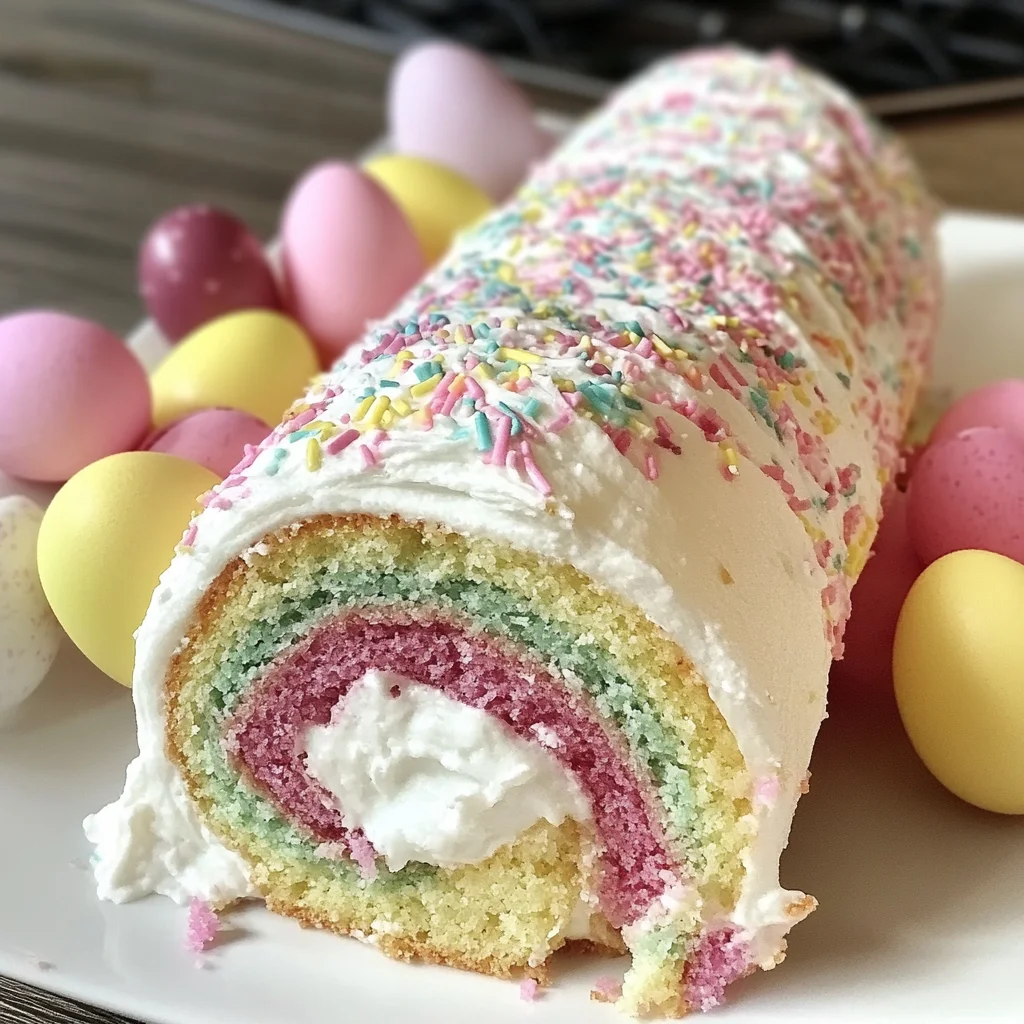
- Create colorful batter: Divide the batter evenly into four small bowls. Add a different pastel gel food coloring to each bowl and fold until the color is uniform. This part is so fun and brings that cheerful Easter spirit right into your kitchen!
- Pipe and spread: Using a spoon, drop spoonfuls of colored batter onto the prepared baking sheet in an alternating pattern. Then, use an offset spatula to spread evenly to the edges of the pan. This creates a beautiful marbled or patchwork effect once baked.
- Bake: Pop the pan in the oven for 10-12 minutes. You’ll know it’s ready when the cake feels firm and springs back lightly when you press the surface.
- Roll while warm: This is a crucial step. Once out of the oven, run a knife gently around the edges to loosen the cake. Invert it onto a clean kitchen towel or fresh parchment paper. Carefully peel off the baked parchment, trim any crisp edges, and roll the cake tightly from one short end with the towel or parchment inside. This pre-rolling helps the cake keep its shape without cracking once filled. Let it cool completely in this rolled position.
- Make the filling: While the cake cools, beat the softened cream cheese and butter together until smooth and creamy. Add powdered sugar and vanilla extract, then beat again until light and fluffy. This filling is the perfect tangy, sweet contrast to the delicate sponge.
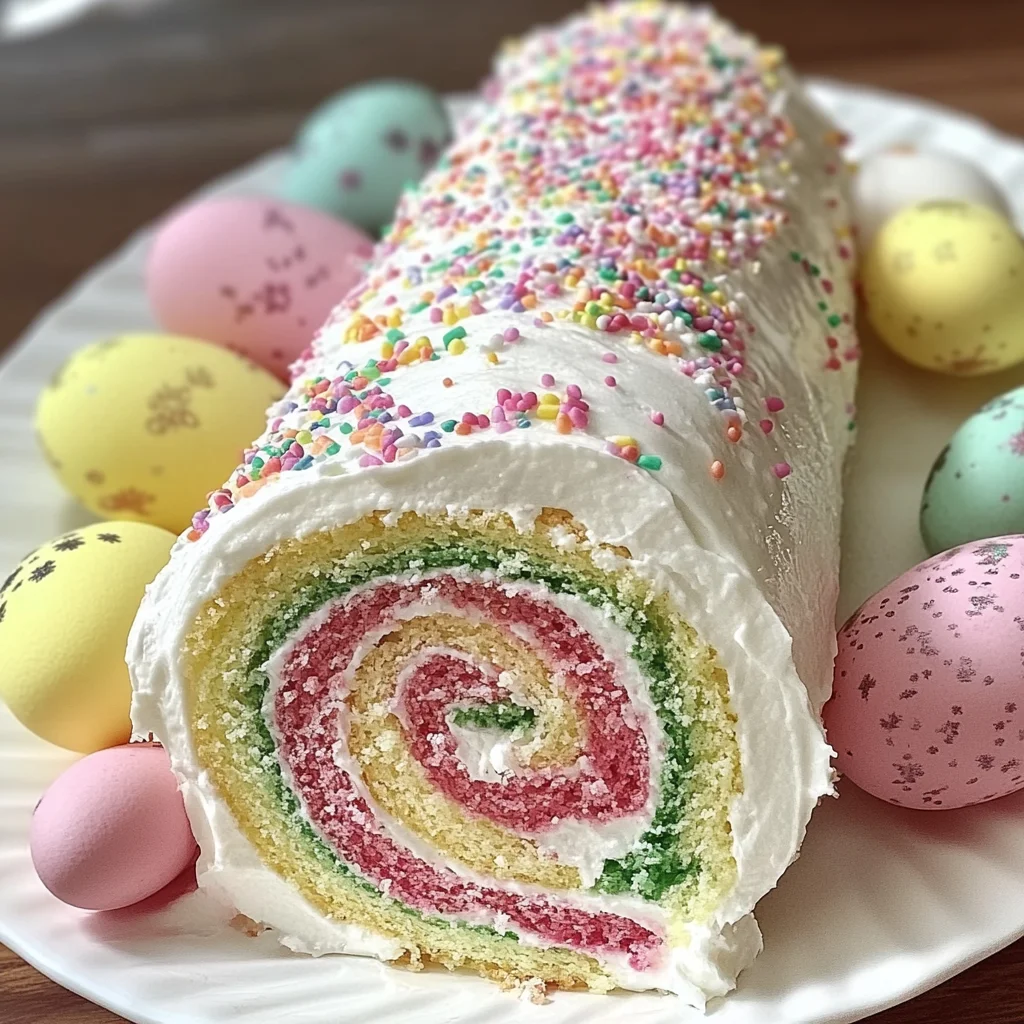
- Fill and re-roll: When the cake is completely cool, gently unroll it and spread the cream cheese filling evenly over the surface. Then roll it back up tightly, this time without the towel or parchment. Place the cake seam-side down on a serving platter, cover, and refrigerate for at least an hour to let those flavors meld beautifully.
- Serve: Just before serving, sift a generous dusting of powdered sugar over the top. Use a sharp serrated knife to slice and enjoy!
Substitutions & Additions
One of the best things about this Easter Cake Roll is how adaptable it is. If you want to shake things up or cater to dietary needs, here are some ideas:
- Flour options: If you’re gluten-free, try substituting the cake flour with a gluten-free baking mix that’s designed for cakes. Just be mindful that texture might vary slightly.
- Color alternatives: Instead of gel food coloring, you can use natural colorings like beet juice for pink, turmeric for yellow, or spinach juice for green. Just add sparingly to avoid sogginess.
- Filling variations: Swap the cream cheese filling for whipped cream with fresh berries for a lighter, fruitier version. Or add a spoonful of lemon curd beneath the cream cheese for a tangy twist.
- Flavor boosts: Add a teaspoon of almond extract to the filling for a subtle nutty aroma, or fold finely chopped toasted nuts into the filling for crunch.
- Decorative touches: Top the cake roll with edible flowers or pastel sprinkles to amp up the festive look.
Tips for Success
Rolling a cake can seem intimidating at first, but these tips will help you master it like a pro:
- Don’t skip the towel roll: Rolling the cake while it’s warm is key to preventing cracks later.
- Use an offset spatula: It makes spreading the batter evenly and the filling smooth so much easier.
- Room temperature eggs: They whip up to a higher volume and create a lighter sponge.
- Beat sugar into egg whites slowly: Adding sugar gradually helps stabilize the meringue and achieve that glossy, stiff peak.
- Prep ahead: You can bake the cake a day in advance and keep it wrapped in the fridge. Just fill and roll it on the day you plan to serve.
- Sharp serrated knife: Use one to slice through the roll cleanly without squishing it.
- Keep the colors soft: Pastel gel colors are best for that gentle Easter vibe—don’t overdo it or the colors can look harsh.
How to Store Easter Cake Roll
This cake roll keeps beautifully in the fridge for up to 3 days, making it an ideal dessert to prepare ahead of your Easter festivities. After filling and rolling, wrap the cake tightly in plastic wrap to protect it from drying out and absorbing other fridge odors. When you’re ready to serve, just dust with powdered sugar and slice.
If you want to keep it longer, you can freeze the uncut cake roll. Wrap it well in plastic wrap and then in aluminum foil to prevent freezer burn. It will keep for up to a month. When ready to eat, thaw it overnight in the fridge and then add your powdered sugar dusting before serving.
FAQs
Can I make this cake roll without a stand mixer?
Absolutely! You can use a hand mixer or even whisk the egg whites by hand, although it will take more time and effort to reach those stiff, glossy peaks. Just be patient and persistent—it’s worth it!
What if my cake cracks when I roll it?
Cracking usually happens if the cake cools before rolling or if it’s too dry. Always roll the cake while it’s still warm and use the towel to help it keep its shape. If cracks happen, don’t worry—they add a rustic charm and the filling hides them well.
Can I use store-bought frosting instead of making the cream cheese filling?
You can, but the homemade cream cheese filling is what makes this cake roll so special. It’s light, fluffy, and perfectly tangy. If you do use store-bought frosting, pick one that’s not too heavy or sweet to balance the delicate sponge.
How do I get those perfect pastel colors in the cake?
Gel food coloring is your best bet because it doesn’t add extra liquid to the batter, which could affect the texture. Add just a small amount and fold gently until the color is even. You can experiment with combining colors for a unique look.
If you’re looking to explore more delightful desserts to complement your Easter feast, you might enjoy this Easter Cookie Cake Spring Recipe for an extra festive touch. Or, for a savory side that pairs beautifully with any celebration, check out these Crispy Roasted Baby Potatoes. Both are simple, crowd-pleasing dishes that bring warmth and comfort to your table.
And if you love the idea of creative, colorful treats, you might want to try these Sweet Colorful Easter Popcorn Balls—they’re a fun and easy way to add a pop of color and crunch to your holiday spread.
Happy baking, and may your Easter be filled with sweetness, color, and lots of joyful moments shared with the people you love!
Don’t forget to follow us on Pinterest for more delicious recipes and holiday inspiration!
Easter Cake Roll
Ingredients
Equipment
Method
- Step 1: Preheat oven to 375°F (190°C). Line a 13x18-inch rimmed baking sheet with parchment paper, leaving overhang on the short sides.
- Step 2: In a small bowl, sift together cake flour, kosher salt, and baking powder.
- Step 3: In the bowl of a stand mixer, combine egg whites, lemon juice, and vanilla extract. Beat on medium speed until foamy.
- Step 4: Gradually add granulated sugar while increasing mixer speed to medium-high. Whip until stiff, glossy peaks form, about 5-8 minutes.
- Step 5: Gently fold in the sifted dry ingredients using a rubber spatula, being careful not to deflate the batter.
- Step 6: Divide batter evenly into four small bowls. Add different pastel gel food coloring to each and fold until uniform in color.
- Step 7: Drop spoonfuls of colored batter onto prepared baking sheet in an alternating pattern. Use an offset spatula to spread evenly to edges for a marbled effect.
- Step 8: Bake for 10-12 minutes until cake feels firm and springs back lightly when pressed.
- Step 9: Run a knife around edges to loosen cake. Invert onto a clean kitchen towel or fresh parchment. Peel off baked parchment, trim edges, and roll cake tightly from one short end with towel or parchment inside. Let cool completely rolled.
- Step 10: Beat softened cream cheese and butter until smooth. Add powdered sugar and vanilla, beat until light and fluffy.
- Step 11: Unroll cooled cake carefully. Spread cream cheese filling evenly over surface. Roll cake back up tightly without towel or parchment. Place seam-side down on platter and refrigerate at least 1 hour.
- Step 12: Before serving, sift powdered sugar over top. Slice with a sharp serrated knife and enjoy.