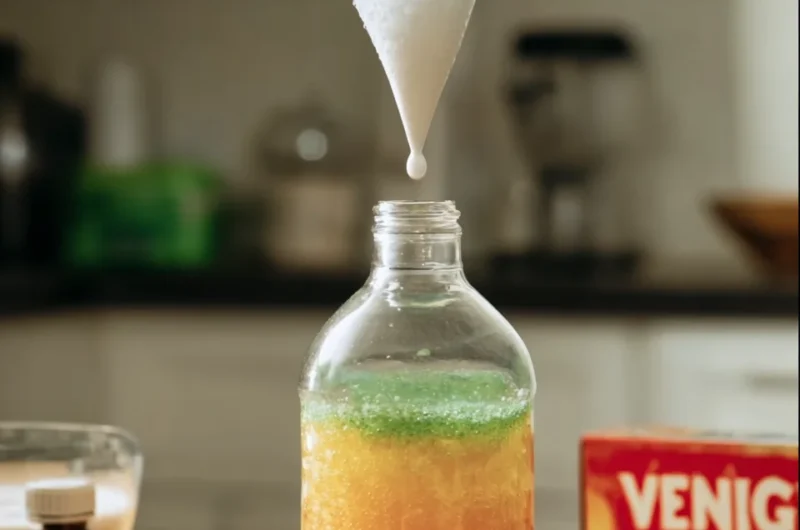
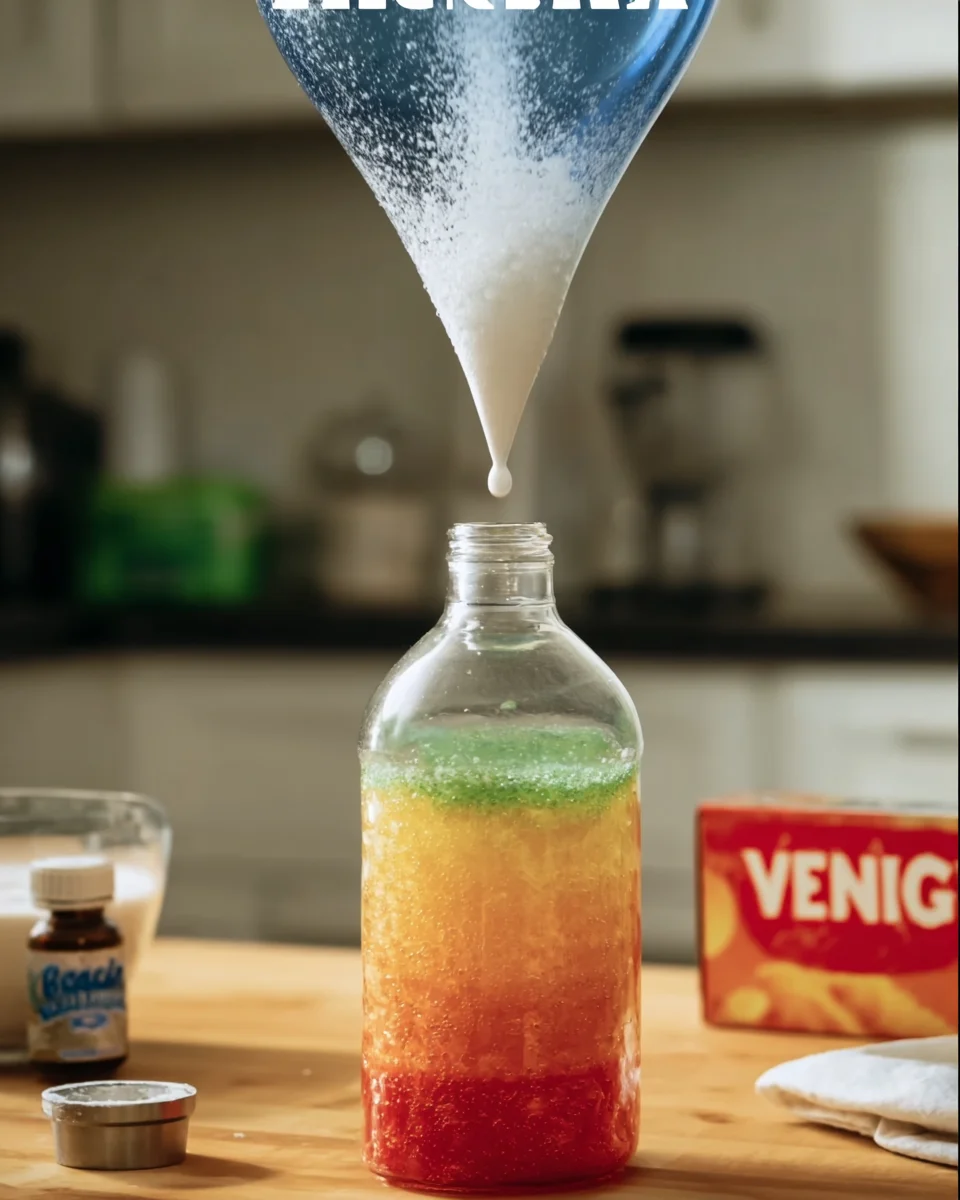
The Balloon Baking Soda Experiment is an exciting and educational activity that demonstrates a chemical reaction. This hands-on science project is perfect for families, classrooms, or anyone looking to explore the wonders of chemistry in a fun and engaging way.
| Prep Time | Cook Time | Total Time | Servings | Difficulty | Cuisine |
|---|---|---|---|---|---|
| 5 minutes | 0 minutes | 5 minutes | 1 | Easy | Educational |
Why This Recipe Works
The Balloon Baking Soda Experiment is an excellent way to visualize the reaction between an acid and a base. When baking soda (sodium bicarbonate) combines with vinegar (acetic acid), it produces carbon dioxide gas, which causes bubbling and inflates the balloon. I remember the first time I conducted this experiment; the surprise and excitement of watching the balloon inflate was unforgettable. It’s a simple yet powerful demonstration of gas production and chemical reactions.
This experiment is not only fun but also serves as an educational tool. It helps students and curious minds grasp fundamental concepts in chemistry while enjoying a hands-on activity. The colorful addition of food coloring enhances the visual aspect, making the experiment even more engaging. Every time I perform this experiment with children, their faces light up with wonder as they witness science in action.
Ingredients
| Ingredient | Quantity | Notes |
|---|---|---|
| Balloon | 1 | Any standard balloon will work. |
| Baking soda | 1/4 cup | Use common baking soda. |
| Vinegar | 1/2 cup | White vinegar is recommended. |
| Plastic bottle | 1 | Clean and empty. |
| Funnel | Optional | Makes filling the balloon easier. |
| Food coloring | Optional | For a colorful effect. |
Step-by-Step Instructions
-
Prepare the Balloon
Use a funnel to carefully fill the balloon with 1/4 cup of baking soda. If you don’t have a funnel, you can pinch the opening of the balloon and pour the baking soda in slowly.
-
Prepare the Bottle
Pour 1/2 cup of vinegar into the plastic bottle. If you want to add color to your experiment, you can mix in a few drops of food coloring into the vinegar.
-
Attach the Balloon
Carefully stretch the opening of the balloon over the mouth of the bottle without letting the baking soda fall into the vinegar yet. Make sure it fits snugly.
-
Start the Reaction
Once you’re ready, lift the balloon and allow the baking soda to fall into the vinegar. Watch as the mixture starts to fizz and bubble, inflating the balloon!
-
Observe
Take note of the reaction and how the balloon inflates. This is a fun way to explore chemical reactions!
Chef Tips for Perfect Results
- Use a funnel for easier filling of the balloon with baking soda.
- Ensure the vinegar is fresh for a better reaction.
- Add food coloring to the vinegar for a visually appealing outcome.
- Conduct the experiment outdoors to minimize mess.
- Perform the experiment on a tray or in a large bowl to catch any overflow.
Common Mistakes to Avoid
- Not sealing the balloon properly can lead to leaks. Ensure a snug fit around the bottle’s mouth.
- Skipping the funnel may result in spills. Using a funnel makes the process easier.
- Using old vinegar can reduce the reaction’s effectiveness. Always use fresh ingredients.
- Pouring the baking soda too quickly can cause a premature reaction. Allow it to fall gradually.
- Forgetting to add food coloring can make the experiment less visually exciting. Consider adding it for fun!
Variations and Substitutions
| Ingredient | Substitution | Impact on Flavor |
|---|---|---|
| Vinegar | Lemon juice | Similar acidic reaction, but a different scent. |
| Baking soda | Baking powder | Less effective, may produce a different reaction. |
| Food coloring | Natural dyes | Provides a different color palette, but similar visual effect. |
Serving Suggestions and Pairings
This experiment is perfect for science fairs, birthday parties, or classroom demonstrations. Pair it with other fun activities like the DIY Fizzy Treasure Stones for a full day of science fun.
Storage and Reheating
| Method | Duration | Instructions |
|---|---|---|
| N/A | N/A | This experiment is designed to be performed immediately and does not require storage. |
Nutritional Information
| Nutrient | Amount per Serving |
|---|---|
| Calories | 0 |
| Fat | 0g |
| Carbohydrates | 0g |
| Protein | 0g |
Frequently Asked Questions
Can I substitute baking soda with something else?
You can use baking powder, but it won’t produce the same level of gas. Baking soda reacts more effectively with vinegar, creating a stronger inflation in the balloon.
What should I do if the balloon doesn’t inflate?
If the balloon does not inflate, ensure that the baking soda has fully combined with the vinegar. Check that the balloon is sealed tightly around the bottle’s neck to prevent gas from escaping.
Can I prepare this experiment ahead of time?
This experiment is best performed fresh, as the reaction happens immediately. Preparing the ingredients in advance is fine, but combine them just before you want to observe the reaction.
Is this experiment safe for kids?
Yes, the Balloon Baking Soda Experiment is safe for kids. However, adult supervision is recommended to ensure safety during the experiment, especially with younger children.
What other experiments can I do with baking soda?
Baking soda can be used in various experiments, such as making a volcano or DIY fizzy treasure stones. Check out more creative ideas on science projects for kids.
The Balloon Baking Soda Experiment is a fantastic way to engage with science and explore chemical reactions. For more delicious recipes, check out Hawaiian Chicken Sheet Pan or Creamy Tortellini Soup for treats you will love!

Balloon Baking Soda Experiment
Ingredients
Equipment
Method
- Step 1: Use a funnel to carefully fill the balloon with 1/4 cup of baking soda. If you don't have a funnel, you can pinch the opening of the balloon and pour the baking soda in slowly.
- Step 2: Pour 1/2 cup of vinegar into the plastic bottle. If you want to add color to your experiment, you can mix in a few drops of food coloring into the vinegar.
- Step 3: Carefully stretch the opening of the balloon over the mouth of the bottle without letting the baking soda fall into the vinegar yet. Make sure it fits snugly.
- Step 4: Once you're ready, lift the balloon and allow the baking soda to fall into the vinegar. Watch as the mixture starts to fizz and bubble, inflating the balloon!
- Step 5: Take note of the reaction and how the balloon inflates. This is a fun way to explore chemical reactions!
Notes